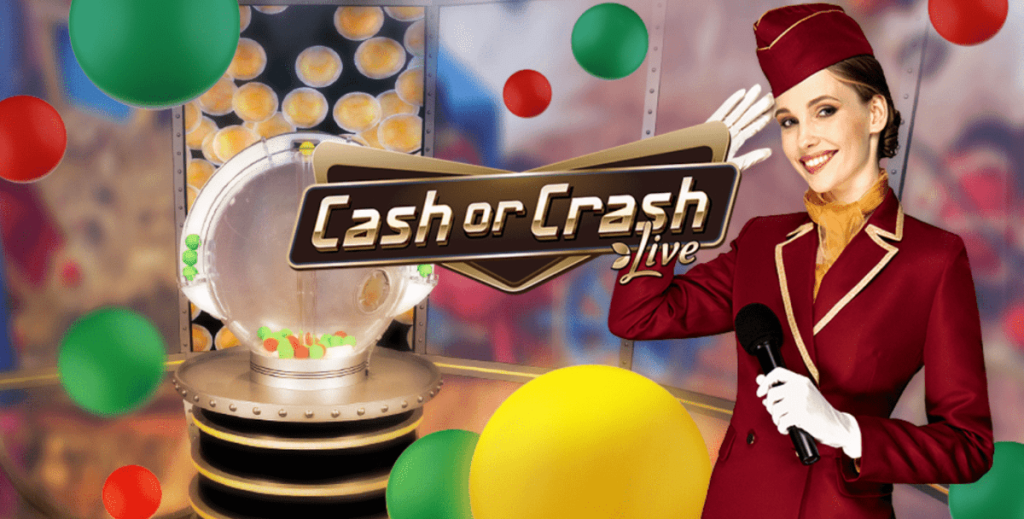
Introducing Cash Or Crash Live in the UK taught us a insight every studio should understand: entering a different market requires more than word-for-word conversion. It requires cultural resonance. Our UK launch evolved into a full-scale localisation project built to make the game appear native and engaging to British gamers. We didn’t just swap words. We modified language, humour, and fine game mechanics specifically for a UK community.

An Operational Process of Language Merge
Integrating a full British localization pack was a significant operational challenge. Our software base had to support dynamic text replacement while preserving the core real-time system of the game. We moved every user interface string—including button names like “Cash Out” and menu labels as well as help text—in distinct localisable resources. This setup enables us deploy later updates smoothly across all language version.
The voice acting was a significant task. We selected voice actors with realistic local UK accents that were clear and appealing all over the UK. Every line of in-game narration was re-recorded during our UK recording sessions. We also adjusted sound effects for wins and losses to meet acoustic preferences observed in our consumer research. The outcome was a unified sound experience.
The backend architecture for managing live text was challenging. We developed a key-value system where all strings is tied to a unique ID. This enabled our localisation team work in parallel via spreadsheets without modifying the game code. It also manages plural forms that are different in UK and US versions and inserts dynamic variables for names or sums of players.
Testing required thorough “linguistic testing”. Native UK testers tested all game modes. They listened for unnatural wording, examined rendering bugs, and verified all sound timing was in perfect sync with the new scripts. This refinement was crucial for the final product.
Hurdles and Answers in the Localization Process
One major challenge was the game’s title itself: “Cash or Crash.” It’s a direct, high-impact name that expresses the core risk/reward mechanic. We considered changing it but opted to keep it. Testing showed UK players comprehended it immediately, and it had the right energetic tone. Moving to a more British phrase would have forfeited vital brand identity for very little gain.
Another obstacle was tailoring the real-time, live-hosted banter. The host has to react spontaneously to player actions. We created a large library of adapted reaction lines and ad-libs. This gave the host a broad range of culturally appropriate responses for any in-game event. It preserves the feeling of a live, uniquely British experience for each player, every time they log in.
Technical constraints around text expansion posed a subtle problem. UK English phrases can run longer than their US equivalents. Our UI designers had to create flexible text containers that could accommodate the extra length without breaking the layout. This required additional front-end development work to keep the visual design intact across all languages.
Striking authenticity with clarity was an ongoing conversation. Sometimes we discovered a perfect piece of British slang that was just too niche. In those cases, we chose a slightly less colourful but more universally understood term. We emphasised clear communication for a mass audience over impressing a small group with ultra-local knowledge.
Understanding Regional Variations Within the UK
The UK isn’t exactly one single culture. It includes distinct nations and regions, each with its own linguistic style. Our challenge was to find a “Commonwealth” of UK English—a version accessible and pleasant to everyone from Scotland to Cornwall, without leaning on one specific regional dialect. We aimed for a neutral RP (Received Pronunciation) accent for the host, with very clear enunciation.
We were mindful with slang. We selected terms with wide understanding across the UK. While a phrase might be everyday in London, we checked its usage in Northern Ireland, Wales, and Scotland. The glossary of terms we built became an essential tool. It helped us avoid language that was too parochial and kept our communication clear for the entire UK market.
For example, we chose “you lot” or “everyone” over “yous” or “y’all.” We used “football” without exception, never “soccer.” We standardised terms like “pub” instead of “bar” for relevant imagery. This created a pan-UK identity that feels locally British without being narrowly regional.
We also standardized numerical formatting and date presentation (DD/MM/YYYY) across all text. This regional neutrality extended to colour symbolism and minor visual details. We avoided flags or emblems specific to one home nation to foster an inclusive environment for every UK player.
Viewer Research: Exploring the UK Player
Before we altered any programming, we committed in research. We utilized both questionnaires and direct monitoring. We questioned potential UK users about their gaming habits, what they enjoyed in real-time entertainment, and how aware they seemed to wording. We conducted panels with beta builds, watching how participants used the UI and heeding to their feedback on terminology and speed.
This analysis gave us important knowledge. For example, UK gamblers displayed a marked inclination for straightforward, succinct directions delivered with a bit of personality. They favored this rather than flashy or repetitive cues. They placed a high importance on fairness and openness in gameplay systems. These findings altered more than our verbal decisions. They affected guidance pacing and how the presenter verbally framed risk vs reward contexts.
We discovered a particular aversion for what gamblers viewed as fake “hype”. This led us to tone down some flashy graphics accompanied with overblown voiceover. We opted for a more restrained, “smart” reaction that matched the players’ preference for witty subtlety instead of boisterous overstatement.
Population data also steered us. We observed disparities in slang awareness between generations. This drove us to choose language with wider, intergenerational attraction. We avoided to alienate younger players or more mature individuals looking for a polished live betting environment.
Reasons UK-Specific Localisation Was Non-Negotiable
Some developers might choose a one-size-fits-all English edition. For us, that was off the table from the start. The UK boasts a deep and vivid manner of speaking. Sayings and allusions that work in the US often baffle or entertain British gamers for the wrong reasons. We wanted to build confidence and involvement from the second someone clicked start. A carefully adapted experience shows respect for the user, and that regard pays off in longer engagement and true satisfaction.
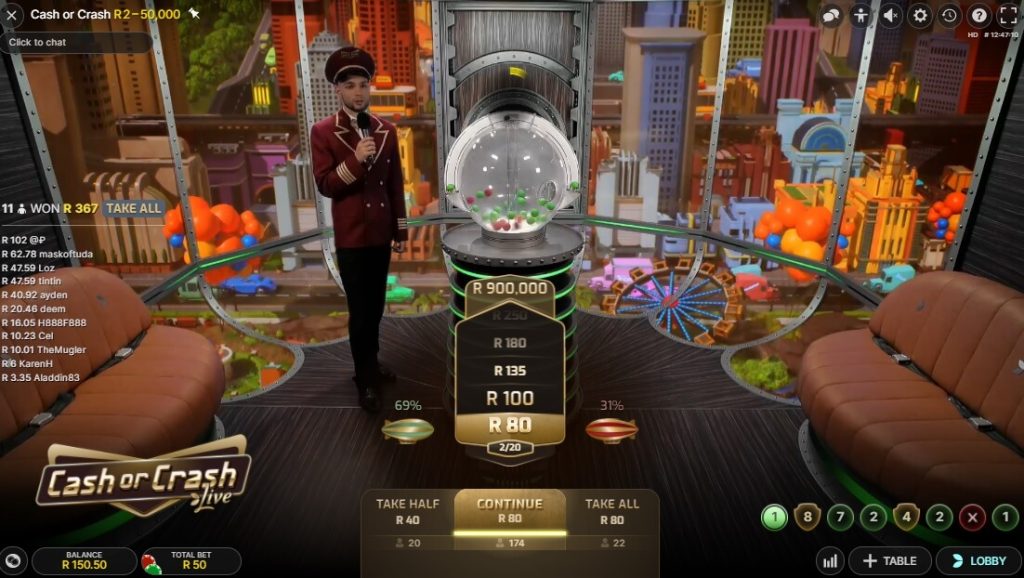
We examined what rivals offered and sifted through player feedback from similar areas. The outcome was obvious: users detect the finesse. Saying “lift” instead of “elevator” or “bonnet” instead of “hood” might look unimportant. But these tiny choices add up to an experience that seems correct. It shows our UK users, “We built this for you.” That message is a powerful starting point for creating a player base.
Take the financial words. We swapped “gas money” to “petrol money,” used “cheque” instead of “check” where appropriate, and ensured all monetary presentation applied the proper mark and presentation (£1,000.00). This level of precision stops minor irritation before it starts. Gamers can devote attention to the game’s excitement instead of being confused by strange phrases.
Compliance variations also were a factor. UK standards for promotional language and betting mechanics are often stricter. Our communication required meticulous legal and cultural evaluation to meet these expectations and align with what UK users view as equitable and transparent.
Beyond Translation: The Approach of Cultural Localization
Our task went far beyond literal translation. We focused on transcreation, where the goal is to preserve the original’s emotional impact and intent. This meant rewriting jokes, re-recording every voice line with native speakers, and adjusting visual elements. A allusion to an American football game wouldn’t resonate, so we searched for culturally equivalent moments of tension, something more like a football penalty shootout.
The host’s manner, central to Cash or Crash Live, got particular attention. UK audiences commonly appreciate a mix of witty, slightly irreverent, and confident commentary. It’s a different flavour from a broadly enthusiastic American style. We reworked the script to allow for drier, more playful wit, making the host seem like a familiar face from a UK game show.
To be meticulous, we structured our cultural adaptation around several key foundations. Each one needed close collaboration between linguists, cultural consultants, and our design team. We needed to juggle authenticity with clear gameplay. The first aspect was linguistic nuance and slang. We implemented UK English spelling and grammar across the board.
More significantly, we incorporated appropriate, widely understood slang and colloquialisms. We localised terms for money, shouts of excitement, and even words for failure. The purpose was natural dialogue. We steered clear of a forced, textbook feel that would sound strange to a native ear. Celebratory shouts changed to things like “Brilliant!” or “You’re having a laugh!” instead of “Awesome!” or “No way!”.
Humour and references were equally important. Comedy is deeply cultural. We reviewed every pun, piece of wordplay, and bit of situational comedy, adapting them where needed. Obscure international references were replaced for ones familiar to a UK demographic. We tapped into popular TV, well-known historical moments, and social trends that constitute part of a shared British awareness. This guaranteed the jokes landed as we intended.
We even localised visual metaphors in the user interface. We modified iconography where it was beneficial, modifying the shape of a mailbox or the style of a road sign. These small visual cues automatically reinforce the familiar UK environment we were constructing.
Assessing the Impact of a Localised Experience
We measure the success of our localisation through specific key performance indicators. We monitor player retention rates, session lengths, and in-game engagement metrics especially for our UK audience. Early data reveals a marked increase in these areas compared to what a non-localised version would likely have achieved. Our player feedback channels are filled of positive comments about the game “feeling right,” with many appreciating the familiar linguistic touches.
We also monitor community sentiment on social media and forums. Seeing UK players use our localised terminology in their own discussions—quoting the host or using the game-specific terms we adapted—is the best affirmation we could hope for. It proves the game has entered the local gaming lexicon. That’s a clear sign of deep cultural integration and a thriving player community.
Our customer support team saw a distinct drop in tickets from UK players uncertain by game rules or terminology after launch. This indicates us the localisation successfully reduced friction and improved player comprehension. That directly leads to lower support costs and higher player satisfaction.
The UK market’s monetisation metrics, including average revenue per user, saw improvement. This suggests that when players feel a deeper, culturally resonant connection to the experience, their investment grows—both emotionally and financially. The complete data picture confirms it. Our significant investment in authentic localisation wasn’t just a cultural win. It was a certain commercial success.